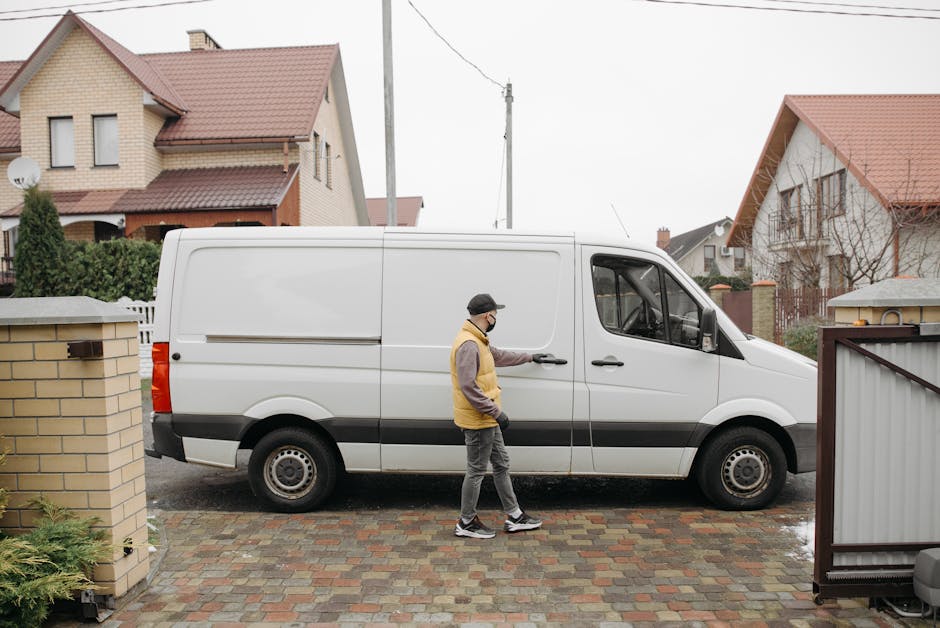
Access Problems for Van Cleaning Jobs on Narrow Clapton Streets
If you have ever tried to arrange a van-based cleaning job on a tight residential road, you will know the feeling: the postcode looks simple enough on paper, but the reality can be a squeeze. Access problems for van cleaning jobs on narrow Clapton streets are rarely just about parking. They can affect arrival time, equipment handling, safety, noise, customer convenience, and even whether the job can be completed in one visit. In a place like Clapton, where you may find narrow carriageways, busy school-run periods, parked cars, and limited turning space, the difference between a smooth visit and a stressful one is usually in the planning.
This guide breaks down what access issues actually mean, why they matter, how professionals work around them, and what you can do before the van ever reaches the street. Truth be told, most access problems are manageable when they are spotted early. Miss them, and they can eat up time fast.
Table of Contents
- Why Access problems for van cleaning jobs on narrow Clapton streets Matters
- How Access problems for van cleaning jobs on narrow Clapton streets Works
- Key Benefits and Practical Advantages
- Who This Is For and When It Makes Sense
- Step-by-Step Guidance
- Expert Tips for Better Results
- Common Mistakes to Avoid
- Tools, Resources and Recommendations
- Law, Compliance, Standards, or Best Practice
- Options, Methods, or Comparison Table
- Case Study or Real-World Example
- Practical Checklist
- Conclusion
- Frequently Asked Questions
Why Access problems for van cleaning jobs on narrow Clapton streets Matters
Access is not a side issue. It shapes the whole job. On narrow streets, even a well-equipped van can struggle if there is nowhere sensible to stop, unload, or turn. The cleaner may need to carry machines, hoses, water, detergents, and protective gear from a legal parking spot some distance away. That sounds minor until you are walking back and forth in drizzle with a heavy extractor, or trying not to block a neighbour's driveway at 8:15 on a weekday.
For customers, poor access can mean longer visits, a later start, or extra coordination. For cleaning teams, it can mean extra labour, extra wear on equipment, and more scope for avoidable delays. And because many cleaning jobs involve awkward, bulky, or water-fed kit, access issues are not just about convenience. They are about efficiency and safety too.
In Clapton, the issue is often a mix of factors rather than one single obstacle:
- parked cars narrowing the remaining lane
- restricted stopping or loading space
- single-file movement on very tight roads
- limited turning room for long-wheelbase vans
- residential entrances set back from the road
- shared access with flats, courtyards, or basement steps
That is why good planning matters so much. A cleaning visit that looks routine can become a logistical exercise. Not a disaster, necessarily. Just a bit fiddly. And fiddly costs time.
If you are arranging a wider household or commercial clean, it can also help to think about the job as part of a broader service plan. For example, a property that needs deep cleaning after a busy tenancy may need a different access plan from a straightforward regular cleaning visit. The same goes for larger jobs such as office cleaning or end-of-lease work, where timing and unloading windows often matter just as much as the clean itself.
How Access problems for van cleaning jobs on narrow Clapton streets Works
Most access problems start before the van arrives. The cleaner or office team usually needs to assess the street layout, the property entrance, and the equipment needed for the job. If the road is narrow, the main question is simple: can the van stop safely enough for loading and unloading, and can the team work without creating a hazard?
In practical terms, the process often looks like this:
- Initial location review. The address is checked for obvious issues such as width, one-way access, parking pressure, or restricted bays.
- Job-specific assessment. A carpet clean, for instance, may need heavier kit than a light domestic tidy. Upholstery or mattress work may be simpler to move by hand. A more involved job like steam carpet cleaning can bring bulkier machinery and more hose management.
- Arrival planning. The cleaner decides whether they can park outside, stop briefly, or use a nearby loading point.
- On-foot carry route. If the van cannot sit right outside, the route from van to property is mapped mentally. Yes, really. Sometimes it is all about knowing where the gate, stairs, and front door are before you lift the first box.
- Equipment sequencing. Items needed first are loaded last so they come off quickly. No one wants to unpack the whole van just to get one stair tool.
- Back-up plan. If the access point is blocked, there is usually a fallback route, a revised arrival time, or a request to the client for temporary space.
The cleaner's job is to reduce friction. Your job as the customer is to give honest information upfront. If the street is tight, say so. If there is no parking within a short walk, say that too. It saves everyone a headache.
Access issues also interact with building type. A terraced house with a front step is very different from a flat above shops, a basement property, or a building with a shared entrance. Services such as house cleaning, domestic cleaning, and communal area cleaning often require slightly different access habits because the route from van to work area changes everything.
Key Benefits and Practical Advantages
When access is handled properly, the benefits are very real. Some are obvious; others only show up after a few successful jobs on tight streets.
- Less wasted time. The team spends more minutes cleaning and fewer minutes circling for a stop.
- Lower risk of damage. Better access planning reduces bumps to door frames, furniture, and parked vehicles.
- Cleaner workflow. Equipment gets moved in once, not several times because of poor parking choices.
- Better customer experience. The job starts calmer, which usually means it ends calmer too.
- Fewer delays. Narrow streets often create hidden time loss; planning helps absorb it.
- Safer manual handling. Fewer awkward carries and fewer rush moments. That matters more than people think.
There is also a financial angle. Time spent battling access problems often has to be recovered somewhere, whether through scheduling, crew allocation, or pricing. That is why some jobs are quoted after a quick access check rather than on postcode alone. If you are comparing providers, it is worth reviewing pricing and quotes alongside the practical details of the job, because the cheapest-looking estimate can become expensive once access complications appear.
For business customers, especially where the premises are used by staff or guests, access planning can protect business continuity. A tidy access plan means fewer disruptions at the entrance, less noise, and fewer awkward interruptions for people coming and going. That matters for commercial cleaning and also for short-let properties where handover timings are tight. In that kind of setting, a clean corridor is lovely; a blocked doorway is not.
Practical takeaway: on narrow Clapton streets, access planning is not a bonus extra. It is part of the service. The cleaner who asks good questions early is usually the one who gives you the smoothest day later.
Who This Is For and When It Makes Sense
This topic matters to a few different groups, and they do not all think about it the same way.
Homeowners and tenants need access help when the street is tight, when there is no easy place to stop, or when the property entrance is awkward. This is common for end-of-tenancy jobs, move-in days, and those slightly chaotic "the carpets need doing before we hand the keys back" moments. A job like end of tenancy cleaning can be especially sensitive because timing is often fixed and the property may be full of packed items or moving boxes.
Landlords and letting agents need reliable access plans because handover deadlines do not care about parking stress. If the van cannot get close, the team still has to work quickly and neatly. That is where services like move-out cleaning and move-in cleaning benefit from realistic scheduling.
Businesses and site managers need access planning for entrances, loading points, and public-facing areas. A workplace clean can be perfectly manageable, but only if the van crew knows where the safe unloading spot is. Office cleaning is often straightforward once the access route is clear, yet one blocked service yard can change the whole rhythm of the day.
Property managers and resident groups also face access issues where shared entrances, communal hallways, or limited waiting space make on-street unloading difficult. In those cases, the cleaner may need to coordinate with several people, which is a bit of a juggling act, honestly.
It makes sense to plan for this whenever:
- the road is too narrow for a full stop without obstruction
- the building sits behind gates, stairwells, or a shared passage
- there is no guaranteed parking
- the equipment is heavy or multiple rooms are involved
- the job needs a precise start time
Step-by-Step Guidance
If you want the job to run smoothly, use a simple access process. Nothing fancy. Just practical, sensible steps that avoid the usual trouble.
- Share the exact address and describe the street. Mention if it is narrow, one-way, busy, or hard to park on. The cleaner can only plan for what they know.
- Explain the property type. Is it a terraced house, flat, basement, converted building, or commercial unit? That changes the unloading route.
- Tell them about any front steps, gates, or shared entrances. A few steps might not sound like much, but with machines and hoses they matter.
- Confirm parking options. Can a van stop outside briefly? Is there a loading bay nearby? If not, say so.
- Flag timing issues. If school traffic, deliveries, or neighbour parking usually make the street tighter at certain times, mention it.
- Ask what equipment they are bringing. A lighter job may only need compact kit; a more demanding clean can require more space and a different approach.
- Agree on the arrival process. Should the team call on arrival, wait at the corner, or use a back entrance? Small detail, big difference.
- Clear the indoor route. The easier the path from door to work area, the safer and faster the job becomes.
One small but useful thing: if possible, take a quick photo of the front of the property and any awkward entrance points. You do not need a production studio. A plain phone photo taken in daylight is enough. It helps the cleaner visualise the job. You will notice that the right image can answer a question much faster than a long message thread.
For jobs involving soft furnishings or spot treatment, the access plan may be easier because the kit is more portable. That is often the case with sofa cleaning, mattress cleaning, and rug cleaning. But if the route includes narrow stairs or a cramped hallway, even a "small" job can become awkward. The size of the item is only part of the story.
Expert Tips for Better Results
Here are the things experienced cleaning teams tend to do, even if they do not always say so out loud.
- Arrive with a compact loading sequence. The first items out of the van should be the ones used immediately.
- Keep hoses, cables, and cords controlled. Tight streets often have less margin for trip hazards near doorways.
- Use a "drop and return" habit. Put items down safely inside, then go back for the next load. Carrying too much at once is where accidents begin.
- Check the weather before you start. Wet pavements make a short carry feel twice as long. It is annoying, but there it is.
- Build a buffer into the schedule. Narrow access rarely takes less time than expected. It tends to take the same or a little more.
- Protect entry points. A blanket, corner guard, or mat can save a lot of awkward apologising later.
If the property also needs specialist work, access can become even more important. A service like stain removal might be simple to carry, while jobs involving water extraction or multiple rooms can benefit from a broader clean plan such as one-off cleaning or after builders cleaning. Builders dust, for instance, has a talent for getting everywhere. Lovely stuff, not.
One more practical tip: if the access is marginal, do not assume "it'll be fine on the day." That phrase has caused more delay than bad traffic ever did. Be precise before the booking is confirmed.
Common Mistakes to Avoid
Most access problems are predictable. The annoying part is that people often only spot them after a cleaner has already arrived.
- Assuming the van can park outside. Narrow streets often look wider in the evening than they are in the daytime. Different story at 10 a.m.
- Not mentioning one-way access or dead ends. If the van has to loop around or reverse awkwardly, the whole schedule shifts.
- Forgetting about height restrictions or low branches. Less common, but worth checking where the route is tight and enclosed.
- Underestimating carrying distance. A short walk becomes a long one when you are carrying a machine and trying not to clip a gate.
- Leaving clutter by the entrance. Shoes, bins, pushchairs, and boxes all slow things down.
- Booking the earliest or busiest time without thinking about street pressure. School runs and delivery windows can make a simple road feel impossible.
There is also a softer mistake: not asking the cleaner how they prefer to handle access constraints. Some teams are used to tight urban streets and will plan accordingly. Others may need more lead time. A quick conversation upfront saves a lot of backtracking later.
Tools, Resources and Recommendations
You do not need a complicated toolkit to deal with access issues, but a few practical things make life easier.
- Phone photos of the entrance and street. Best simple tool there is.
- Short written notes about parking, gates, or codes. Keep them together in one message rather than scattered across several texts.
- A clear indoor route. Move bikes, shoes, prams, and loose items before the team arrives.
- Reusable floor protection or old towels. Handy where pavements are wet or muddy.
- A contact person on arrival. Especially useful for flats, shared buildings, or office settings.
From the service side, a good provider should also have proper operational habits around safety, security, and communication. If you are comparing firms, look at their health and safety policy, insurance and safety information, and payment and security approach. These pages do not solve parking, of course, but they do tell you a lot about how seriously a business handles the messy real-world bits.
If the job involves outdoor dirt transfer, waste movement, or post-clean residue, it can also help to understand the company's stance on recycling and sustainability. That is not the first thing most people think of during access planning, but it matters when bags, waste water, or packaging need to move in and out neatly.
Law, Compliance, Standards, or Best Practice
Access planning on narrow streets is not just a courtesy issue. It sits within wider UK expectations around road safety, responsible parking, and safe manual handling. You do not need a legal lecture to see the point: if a van blocks access, endangers pedestrians, or causes avoidable obstruction, that is a problem.
Good practice usually means:
- not stopping where the van creates danger or prevents emergency access
- keeping unloading as brief and controlled as possible
- avoiding trip hazards on the pavement and at the doorway
- using sensible manual handling methods for heavier equipment
- communicating clearly with residents, occupants, or building managers
For cleaning businesses, this also touches on duty of care. Staff should not be pushed into unsafe carries just because a street is awkward. If the access route is poor, the schedule may need adjusting rather than forcing a rushed setup. That is especially true for heavier work such as commercial carpet cleaning, where machines, hoses, and longer working time can make access more demanding.
Best practice also means being honest about limitations. If a property is simply not suitable for a large van at certain times, say so. If a better route exists via a rear entrance or courtyard, use it. The goal is not to make access look easy; the goal is to make it safe and workable.
Options, Methods, or Comparison Table
Different access methods suit different jobs. The right choice depends on the street, the property, and how much kit is needed. Here is a simple comparison that tends to be useful in the real world.
| Access method | Best for | Advantages | Trade-offs |
|---|---|---|---|
| Van parked outside briefly | Short domestic jobs, light kit | Fast loading, fewer hand carries | Not always possible on narrow streets |
| Nearby legal parking with short carry | Most urban jobs | Flexible and often realistic | More walking, slower setup |
| Rear access or side entrance | Flats, courtyards, larger properties | Can reduce front-street disruption | May require codes, keys, or extra coordination |
| Timed arrival window | Busy roads, loading-sensitive areas | Helps avoid traffic pressure | Requires discipline from both sides |
| Smaller vehicle or reduced kit load | Tightest streets | Easier to manoeuvre | May not suit every job type |
For some tasks, a compact approach is enough. For others, the provider may need to split equipment, use a different vehicle setup, or allocate extra time. A job like upholstery cleaning might be more manageable than a whole-property reset, while a broader service such as house cleaning or one-off cleaning may need a fuller logistics plan. The method should fit the street, not the other way around.
Case Study or Real-World Example
Imagine a second-floor flat on a narrow Clapton street with parked cars on both sides and a small front entrance set back behind a rail. The client books a carpet and upholstery visit for late morning. On the surface, it sounds straightforward enough.
Here is what a careful approach looks like in practice:
The cleaner confirms that there is no guarantee of parking directly outside. The client sends a photo of the front of the property and mentions that the road fills up quickly after 9:30. The team plans a smaller arrival window, brings the most frequently used equipment to the top of the load, and prepares for a short carry from the nearest legal space.
On arrival, the van cannot stop right at the door. That is not ideal, but it is manageable. The team uses a clean carry route, keeps equipment staged in the correct order, and protects the hallway entrance before work starts. The result? A job that still finishes on time, without drama.
That kind of outcome is common when the access problem is acknowledged early. The opposite is common too: the cleaner arrives expecting a simple unload, finds the street jammed, and then spends the first twenty minutes negotiating with parking and logistics. Nobody enjoys that. Nobody.
This is also why access planning can be valuable for more niche services like pet stain odour removal, where time spent on set-up can matter just as much as the treatment itself. Even a small job benefits from a smooth route in and out.
Practical Checklist
Use this before the booking is confirmed or at least before the team arrives.
- Confirm the full address and postcode.
- Describe the street width and parking pressure.
- Say whether the van can stop briefly outside.
- Share gate codes, entry instructions, or buzzer details.
- Explain if the property has stairs, narrow hallways, or basement access.
- Identify any busy times when the street becomes harder to use.
- Clear items from the entrance and main carry path.
- Tell the cleaner about any fragile surfaces or tight corners.
- Check whether the job needs compact kit or heavier machinery.
- Keep your phone nearby on the day in case the team needs guidance.
Small but useful reminder: if the access situation feels awkward to explain, that is usually a sign you should explain it even more clearly. A two-line note now can save a twenty-minute scramble later.
Conclusion
Access problems for van cleaning jobs on narrow Clapton streets are normal, manageable, and worth planning for properly. The key is not pretending the street is wider than it is. The key is adapting the job to the location: smarter arrival times, clearer instructions, better unloading routes, and realistic expectations on both sides.
When access is handled well, the clean feels calm and organised. When it is not, everything becomes harder than it needs to be. That is the whole story, really. A little planning goes a long way, especially in tighter parts of London where every parking space and pavement corner seems to have a mind of its own.
If you are weighing up a cleaning visit on a narrow street, think about the route first and the service second. That order is often the difference between a rushed day and a smooth one.
Get a free quote today and see how much you can save.
Frequently Asked Questions
Can a cleaning van usually park on narrow Clapton streets?
Sometimes, but not always. It depends on the time of day, the amount of parked cars, and whether there is a safe legal stopping spot. Many jobs are still possible with a short carry from nearby parking.
What should I tell the cleaner before they arrive?
Give the full address, explain the street width, mention parking limitations, and describe any gates, stairs, or shared entrances. The more specific you are, the better they can plan.
Does a narrow street always mean extra cost?
Not automatically. Some jobs absorb the extra time quite easily. More demanding jobs may need more scheduling flexibility or extra labour, which can affect pricing. The best approach is to ask for a quote after describing the access properly.
What if the van cannot stop outside my property?
The team may park nearby and carry equipment in by hand. That is common in London. It may take a little longer, but it often works fine if the route is clear.
Are basement flats harder to clean on tight streets?
Usually yes, because access often involves stairs, narrow corridors, or awkward entry points. It is still manageable, but it needs more careful planning.
How far in advance should I mention access issues?
Ideally when you book. Do not wait until the day of the job. Access is one of those things that is much easier to solve early than at the kerbside.
What kind of cleaning jobs are most affected by access problems?
Larger jobs with heavier equipment are usually affected more, such as full-property carpet work, after-builders work, and some commercial visits. Lighter tasks like upholstery or stain treatment are often easier to handle.
Can access issues delay the job start time?
Yes, especially if the cleaner has to find parking or wait for a suitable unloading window. A realistic arrival plan helps reduce that risk.
What is the best way to help the team on the day?
Clear the entrance, keep your phone close, and be ready to answer a quick call if the team needs directions. A few small actions can make a noticeable difference.
Do cleaning teams need special permissions to work on these streets?
Not usually for the cleaning itself, but they do need to follow normal parking, loading, and safety rules. If the area is restricted or hard to access, they may need to work within those limits or adjust the plan.
How do I know whether my property is suitable for a van-based clean?
Ask yourself three things: can a van stop safely nearby, can equipment be carried in without causing trouble, and is there a clear route to the property? If the answer to one of those is no, mention it early.
What if I have a last-minute access problem on the day?
Call the cleaner straight away and explain the issue. A quick update is much better than silence. In many cases, a minor routing or timing change can still save the appointment.
Access on narrow streets can be a bit of a puzzle, but it is rarely impossible. With a little honesty, some practical planning, and a calm approach, the job usually finds its way through. And that is often all it needs.