Health and Safety Policy for Carpet Cleaners E5
 This health and safety policy sets out the standards followed by carpet cleaners E5 to protect staff, clients, visitors, and anyone else affected by cleaning activities. The aim is to reduce risk, prevent injury, and maintain a safe working environment during every stage of a carpet cleaning job. All personnel are expected to follow this policy and apply safe working practices at all times.
Carpet cleaning services involve the use of equipment, chemicals, water, and electrical devices, so careful planning is essential. A responsible approach helps avoid slips, trips, burns, skin irritation, and other avoidable harm. Safety is not treated as an extra task; it is part of the job itself and must be considered before work begins, during the cleaning process, and after completion.
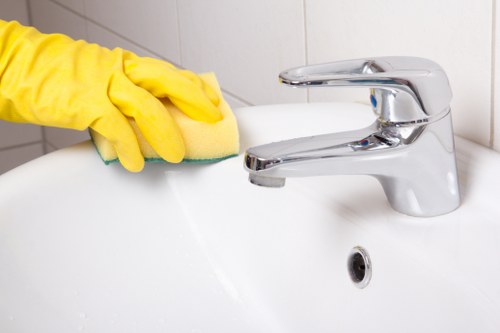 This policy applies to all staff involved in carpet cleaning operations, including preparation, machine use, stain treatment, waste handling, and tidying the work area. It also applies to subcontractors, temporary workers, and supervisors. Every person involved must understand their responsibilities, report hazards promptly, and cooperate with instructions that support a safer workplace.
Responsibilities and Safe Working Standards
Management is responsible for providing suitable equipment, safe procedures, and the training needed to carry out work properly. Supervisors must ensure that cleaners understand how to use machines, handle detergents, and manage risks linked to wet floors, furniture movement, and confined spaces. Where needed, risk assessments are completed before work starts so that hazards are identified and controlled in a practical way.
Employees must take reasonable care of their own safety and the safety of others. This includes wearing appropriate protective equipment, following instructions, using equipment only for its intended purpose, and stopping work if conditions become unsafe. Any concern about a damaged cable, leaking machine, strong chemical odour, or unstable item of furniture must be reported immediately. A strong safety culture depends on consistent action from everyone on site.
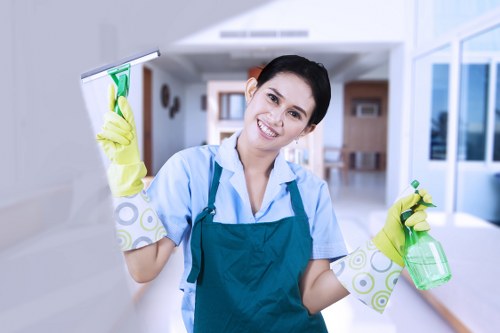 To support safe carpet cleaning practices, all staff are expected to maintain good housekeeping. Work areas should be kept tidy, cleaning products stored securely, and hoses or leads positioned to reduce the chance of tripping. Wet surfaces must be marked or managed appropriately, and furniture should only be moved when it can be done without strain or damage. Careful organisation reduces the likelihood of incidents and improves the quality of service.
Equipment, Chemicals, and Personal Protection
Cleaning equipment must be checked before use and maintained in good condition. Machines should be inspected for wear, loose parts, and electrical faults. Any item that appears unsafe must be taken out of service until it has been repaired or replaced. Only trained personnel may operate specialist machines, and all users must follow manufacturer instructions to reduce the risk of misuse.
Cleaning chemicals must be selected, labelled, stored, and used responsibly. Staff should understand the purpose of each product, the correct dilution, and any specific hazards such as skin irritation or inhalation risks. Mixing products without approval is prohibited. Where a chemical presents a risk, suitable ventilation should be maintained and exposure kept to a minimum. Containers should always remain closed when not in use.
Personal protective equipment may include gloves, slip-resistant footwear, protective eyewear, and other items depending on the task. PPE should be worn when required and kept in usable condition. It is the responsibility of each worker to make sure PPE fits correctly and is replaced when damaged. Good hygiene, including handwashing after chemical use, is also essential for reducing exposure and protecting health.
Managing Common Risks
Slip and trip hazards are among the most common risks associated with carpet cleaning. Wet carpets, trailing cables, and misplaced tools can create unsafe conditions quickly. To control these hazards, work should be organised to minimise foot traffic through the area, and drying times should be communicated clearly to prevent accidental contact with damp surfaces. Where needed, access should be restricted until it is safe to enter.
Manual handling must be approached with care. Lifting heavy machines, carrying water containers, and moving furniture can lead to strains or back injuries. Staff should use proper lifting techniques, ask for help when required, and use equipment that reduces physical effort where possible. If a load is too heavy or awkward, it should not be lifted alone. Preventing injury is always preferable to treating it afterwards.
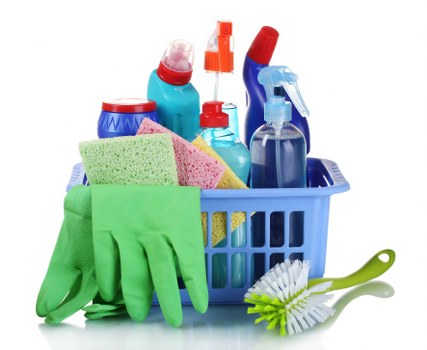 Electrical safety is equally important in carpet cleaning. Equipment should not be used where water could create an obvious hazard unless the correct controls are in place. Plugs, sockets, and cables must be kept dry and undamaged. If a fault is suspected, the device should be disconnected safely and reported. Safe isolation procedures should be followed before any inspection or maintenance work is carried out.
Training, Reporting, and Review
All personnel receive appropriate training to understand hazards, apply control measures, and respond correctly to accidents or near misses. Training may cover safe chemical handling, equipment use, manual handling, emergency awareness, and correct cleaning methods. Refresher training is provided when procedures change or when additional support is needed to maintain standards. Competence is reviewed regularly to ensure that safe performance remains consistent.
Accidents, near misses, and unsafe conditions must be reported as soon as possible so that corrective action can be taken. Prompt reporting helps prevent repetition and supports continuous improvement. Where an incident occurs, the situation should be made safe, the cause considered, and steps taken to reduce future risk. Open reporting encourages accountability and helps protect everyone involved in carpet cleaning operations.
 This policy is reviewed periodically to ensure it remains effective, practical, and aligned with current working practices. Changes may be made following an incident, equipment update, or operational review. By following this policy, carpet cleaners E5 help create a safer environment, reduce avoidable harm, and deliver a reliable service with health and safety at its core.