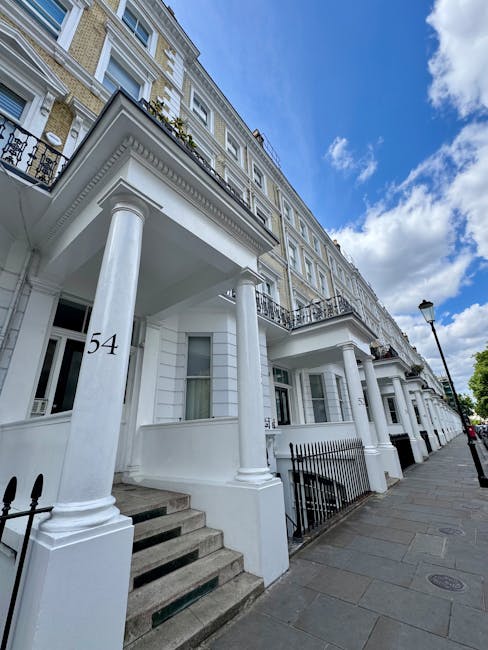
End of tenancy cleaning Mare Street Clapton Common E5
Posted on 02/06/2026
End of Tenancy Cleaning Mare Street Clapton Common E5: A Practical Guide for a Cleaner Move-Out
Moving out can feel strangely chaotic. One minute you're packing books into half-labelled boxes, the next you're staring at a limescale line in the bathroom and wondering whether the inventory clerk will notice it. If you're looking for end of tenancy cleaning Mare Street Clapton Common E5, you probably want two things: a proper clean and a smooth handover. Fair enough. That's exactly what this guide is here to help with.
Whether you're a tenant trying to protect your deposit, a landlord preparing for the next arrival, or a letting agent needing a property turned around quickly, end of tenancy cleaning is less about "tidying up" and more about restoring the property to an acceptable move-in standard. Below, you'll find a clear explanation of how it works, what matters most, common mistakes, and the practical details people usually wish they'd known sooner.
Why End of Tenancy Cleaning Mare Street Clapton Common E5 Matters
End of tenancy cleaning matters because move-out inspections are usually much more detailed than people expect. A property might look "clean enough" at first glance, but inventory reports often focus on places that get missed in everyday cleaning: skirting boards, behind appliances, inside cupboards, taps, grout, extractor fans, and the edges of carpets. The little things. Always the little things.
In areas like Mare Street and around Clapton Common, homes can see a lot of day-to-day wear. That may include traffic dust, cooking residue, pet hair, condensation marks, and the usual signs of urban living. None of that is unusual. Still, if you want the property to pass inspection cleanly, a standard weekly clean usually won't cut it.
There's also a trust factor. A well-cleaned property shows the next occupant, landlord, or agent that the handover has been handled properly. That can make the final stages much easier and less tense. Truth be told, a strong finish helps everyone. If you want a broader view of the company's service approach, it can help to review the services overview and learn a bit more about the team through the about us page.
Expert summary: End of tenancy cleaning is not just a cosmetic tidy-up. It is a structured deep clean aimed at restoring the property to an inspection-ready condition, room by room, surface by surface.
How End of Tenancy Cleaning Mare Street Clapton Common E5 Works
A proper end of tenancy clean follows a methodical process. The aim is not to make the property look nice for a few minutes; the aim is to leave it visibly and hygienically clean from top to bottom. That usually means working from higher surfaces down to lower ones, and from dry dusting to wet cleaning so dirt doesn't get spread around.
Most jobs begin with a walkthrough. This helps identify the level of cleaning needed, any special attention areas, and whether additional tasks are required, such as carpet cleaning in Clapton or upholstery cleaning in Hackney. It's common for people to underestimate soft furnishings. Sofas, rugs, and carpets hold onto odours and fine dust in a way hard surfaces simply don't.
Next comes the detailed cleaning itself. That generally includes kitchen degreasing, bathroom descaling, internal window cleaning where accessible, appliance cleaning, dust removal, skirting boards, doors, handles, switches, and floors. If the property is furnished, there's usually a bit more to do. If it's unfurnished, that doesn't mean easier, just different. Empty rooms show everything.
For readers comparing service types, a focused move-out clean is different from everyday maintenance. If you're curious about the difference, a domestic clean is about ongoing upkeep, while end of tenancy cleaning is designed for a one-off reset. The distinction matters, and it's easy to miss if you're in a rush. You can explore the broader home-care options via domestic cleaning E5 and house cleaning E5.
Typical areas covered in a move-out clean
- Kitchen surfaces, cupboards, splashbacks, sink, and taps
- Bathroom fixtures, tiles, grout, shower screens, and toilet areas
- Bedrooms, living rooms, hallways, and stairs
- Inside and outside of accessible cupboards and wardrobes
- Skirting boards, light switches, sockets, and door frames
- Floors, carpets, and hard flooring
- Internal glass, mirrors, and ledges
Key Benefits and Practical Advantages
The obvious benefit is a cleaner property, but there's more going on than that. A thorough end of tenancy clean reduces the chance of disputes, helps the property photograph better, and makes the handover feel more professional. That can be valuable whether you're the one leaving or the one receiving the keys.
For tenants, the main upside is peace of mind. Deposit deductions can be stressful, and cleaning is one of the most common points of friction at check-out. A clear, professional clean gives you a stronger position if questions come up later. For landlords and agents, the advantage is speed and consistency. If the property is ready sooner, it can be re-let sooner. Simple as that.
There's also a health and comfort angle. Deep cleaning removes build-up you stop noticing after a while: grease near the hob, soap film in the bathroom, dust behind radiators, and the stale smell that can settle into carpets or soft furnishings. You notice it most when the place is empty and the windows are open on a cool morning. That clean, faintly fresh feeling? It makes a difference.
And if you prefer a more careful, lower-impact approach, some customers also look into eco-friendly cleaning as part of their service choice. Not everyone needs it, but for some households it's a sensible fit.
Who This Is For and When It Makes Sense
This service is for anyone who needs a property left at a high standard before the keys change hands. That includes tenants leaving a flat, flatmates ending a shared tenancy, landlords preparing a new listing, and agents managing a quick turnaround. If there's an inventory check involved, it usually makes sense.
It also makes sense if the place has been lived in for a while and the usual cleaning routine hasn't reached the corners, seams, and edges. You know the sort of thing: a kitchen that looked fine until the morning light hit the cupboard fronts, or a bathroom mirror that somehow collected spots no one noticed at night. Happens all the time.
For local context, properties around Mare Street and Clapton Common can vary a lot in size and finish. Some are compact ex-rental flats; others are larger terraced homes with older fittings, textured surfaces, or stubborn wear. That variety is one reason a flexible, detailed clean tends to work better than a one-size-fits-all approach.
If you're deciding between services, take a look at the wider local offering through the end of tenancy cleaning E5 page, and if your property also needs regular upkeep before or after moving, the office cleaning E5 page may be useful for mixed-use or managed spaces.
Step-by-Step Guidance
If you want the clean to go smoothly, a little planning helps a lot. Here's the practical sequence that works best in real life, not just on paper.
- Book the clean for the right day. Ideally, schedule it after removals but before the final inspection. That leaves enough time to deal with any small misses. Not glamorous, but sensible.
- Declutter and remove personal items. Empty cupboards, shelves, drawers, and storage spaces so the cleaner can reach everything properly.
- Flag problem areas early. Burn marks, limescale, pet smells, or heavy grease need to be identified before the job begins. Surprises at the end are rarely helpful.
- Check which extras are needed. Carpet treatment, upholstery cleaning, oven cleaning, or more intensive bathroom work may be worth adding if the property has visible build-up.
- Clean from top to bottom. Dust and debris fall downward, so it makes no sense to do the floor first. Common sense, but surprisingly often ignored.
- Inspect room by room. Open cupboards, check behind doors, and look at edges, not just the middle of the room.
- Do a final walk-through in daylight if possible. Morning light reveals streaks, dust, and missed patches in a way artificial light sometimes hides.
A useful rule: if you'd be embarrassed to point at it in an inventory report, clean it properly the first time. Saves a lot of back-and-forth later.
Expert Tips for Better Results
There are a few habits that consistently improve end of tenancy results. None of them are dramatic. They just make the whole process cleaner, faster, and less frustrating.
- Deal with appliances before anything else. Fridges, ovens, dishwashers, and washing machines often need more attention than people expect.
- Use the right method for the surface. A delicate finish on a cabinet door is not the place for aggressive scrubbing. You can do damage quite easily.
- Don't forget touch points. Handles, switches, and remote controls gather grime fast.
- Let cleaning products dwell briefly where needed. Bathroom scale and kitchen grease usually respond better if products are allowed to work for a moment instead of being wiped instantly.
- Open windows during and after the clean where practical. Airflow helps clear lingering moisture and odours.
- Photograph the property after cleaning. A simple record can be useful if a question comes up later. Nothing fancy, just a few decent shots.
In our experience, one of the biggest differences comes from slowing down at the end. Not the glamorous bit, admittedly. But a careful final pass around skirting boards, corners, and taps can change the whole impression of the place.
If you want a service provider with a stronger operational background, it's worth reading about the company's standards on structure and long-term service quality. That sort of page tells you a bit about how the work is organised behind the scenes.

Common Mistakes to Avoid
Most cleaning problems at the end of a tenancy are not caused by huge disasters. They're caused by small oversights that stack up. Here are the ones that come up again and again.
- Leaving the clean too late. If movers, contractors, or key handover times are tight, last-minute stress can lead to missed areas.
- Assuming a quick tidy is enough. It rarely is, especially in kitchens and bathrooms.
- Ignoring hidden areas. Behind bins, under beds, inside extractor covers, and around sealant lines all matter.
- Using the wrong product on the wrong surface. This can leave marks, dull finishes, or residue.
- Forgetting carpets and upholstery. Soft furnishings hold odours and dirt longer than hard flooring.
- Not checking the inventory standard. The property has to meet the agreed expectation, not just look neat.
One of the sneakiest mistakes is overconfidence. A room can look spotless in the evening and still fail a daylight inspection. Annoying, yes. But very real.
Tools, Resources and Recommendations
The right tools make a big difference, especially in kitchens and bathrooms. You do not need a van full of gadgets, but the essentials should be in place. A microfiber cloth set, a good vacuum cleaner, a limescale remover suitable for the surface, degreaser, non-abrasive sponges, and a mop or floor system usually cover the basics. For carpets, a professional machine or specialist treatment is often more effective than a quick pass with a domestic vacuum.
For local service planning, it can help to look at the pricing and quotes page before booking. Even if you're not ready to commit, it gives you a better sense of how jobs may be priced and what influences the final figure.
If you are balancing cleaning with other moving tasks, it also helps to organise logistics around removal day, key collection, and access. That sounds obvious, yet people forget it all the time and end up waiting by the door with a half-packed kettle and no clean towels. Moving is like that. Slightly absurd, but manageable.
Law, Compliance, Standards, or Best Practice
In the UK, end of tenancy cleaning is usually governed by the tenancy agreement, the inventory, the check-out report, and ordinary expectations of reasonable cleanliness. The exact requirement can vary by property and contract, so it is sensible to read the tenancy terms carefully rather than assuming every landlord wants the same standard.
Best practice is to return the property in a condition consistent with the check-in record, allowing for fair wear and tear. That phrase matters. Fair wear and tear is not the same as neglect, and it is not the same as a spotless finish either. If you are unsure where the line falls, the safest approach is to clean thoroughly and document the result.
Professional cleaners should also work safely, use appropriate products, and respect the property's surfaces and fixtures. If you want reassurance on process, it can be worth reviewing the company's health and safety policy and insurance and safety information. Those pages are useful because they show how a business handles risk, not just cleaning results.
From a customer-trust point of view, clear terms matter too. Payment, cancellation, service scope, and complaint handling should be transparent. If you like to check the fine print before booking, the terms and conditions, payment and security, and complaints procedure pages are all sensible places to look. Not exciting reading, no. Still useful.
Options, Methods, or Comparison Table
Not every move-out clean needs the same approach. The best choice depends on the condition of the property, the time available, and whether carpets or upholstery need special attention.
| Option | Best For | Strengths | Limitations |
|---|---|---|---|
| Basic move-out tidy | Very light wear, low-risk handover | Fast, inexpensive, simple | Often not enough for formal inventory checks |
| Professional end of tenancy clean | Most rented homes and flats | Detailed, structured, inspection-focused | Needs more time and planning |
| End of tenancy + carpet treatment | Homes with visible floor wear or odour | Improves overall presentation, helps freshness | May add to cost and scheduling |
| Full deep clean with upholstery care | Furnished properties or long-term lets | Best for soft furnishings and heavily used spaces | More comprehensive, so usually the most involved |
If you are weighing up the scope of work, ask yourself one question: would I be comfortable showing this room to a landlord, agent, or next tenant right now? If the answer is "not quite," the more thorough option is probably the safer one.
Case Study or Real-World Example
Here's a realistic move-out scenario. A tenant in a two-bedroom flat near Mare Street had already moved most belongings out but left the kitchen, bathroom, and lounge for the final day. The flat looked tidy at first glance, yet the inventory focus turned up grease behind the hob, mineral marks on shower glass, dust on top of cupboard frames, and a few carpet marks in the lounge where furniture had sat for years. Nothing dramatic. Just enough to cause concern.
The cleaner started with the kitchen, worked through the bathroom, then moved into the living space and bedrooms. Carpets were treated where needed, the oven was degreased, and the final walk-through caught a few missed spots around door frames and skirting boards. The difference was not just visual. The flat smelled fresher, felt brighter, and looked ready. That's what you want. That sense of "yes, this is properly done."
A small detail made a big difference: the cleaner checked the room again with daylight near the end. The bathroom mirror had faint streaking that was almost invisible indoors. Fixed in thirty seconds. Tiny thing, big effect. Funny how that works.
Practical Checklist
Use this checklist before the final handover. It keeps things calm, and calm is underrated during a move.
- All personal belongings removed
- Cupboards, drawers, and shelves emptied
- Kitchen grease, sink, and appliances cleaned
- Bathroom tiles, taps, glass, and sealant checked
- Skirting boards, door frames, and switches wiped
- Floors vacuumed and mopped as appropriate
- Carpets and upholstery assessed for extra cleaning
- Bins emptied and removed
- Windows, mirrors, and ledges checked for streaks
- Final inspection done in daylight if possible
- Photos taken after cleaning
- Keys and access arrangements confirmed
Helpful reminder: if a surface feels sticky, looks cloudy, or still smells like cooking grease, it probably needs one more pass. Don't rush that bit.
Conclusion
End of tenancy cleaning in Mare Street, Clapton Common, E5 is about more than leaving a place looking nice. It is about protecting your deposit position, supporting a smoother handover, and giving the property the kind of finish that stands up to an inventory check. Done well, it reduces stress. Quite a lot, actually.
The best approach is simple: plan early, clean thoroughly, pay attention to the forgotten corners, and choose the right level of service for the condition of the property. If you're moving under pressure, don't beat yourself up for needing help. That's normal. Most people do.
Get a free quote today and see how much you can save.
And if you want a calm, professional finish before the keys are handed over, the right support can make all the difference. A proper clean has a quiet way of making the whole move feel lighter.