Hackney Council rules for waste disposal after cleaning: a practical guide for homes, landlords and businesses
If you have just finished a deep clean, builders' clean, end-of-tenancy tidy-up, or even a simple weekend reset, the next question is usually the awkward one: what do you do with the waste? Hackney Council rules for waste disposal after cleaning can feel confusing at first, especially when you are dealing with sacks of clutter, old packaging, wiped-up debris, or items that no longer fit back into the home. The good news is that with a bit of planning, most post-cleaning waste can be sorted sensibly, kept within local rules, and removed without stress.
This guide breaks the process down in plain English. You will learn what matters, how waste is typically handled after a clean, what to avoid, and how to make the whole job smoother whether you are cleaning a flat in Clapton, a shop in Dalston, or a shared building that needs a proper reset. Truth be told, a lot of problems start with people treating all waste the same. It is not. Mixed bags, bulky items, and leftover cleaning materials each need a different approach.
Expert summary: The safest approach is simple: separate what can be reused or recycled, bag general waste properly, keep hazardous liquids and sharp items apart, and check Hackney's collection expectations before anything goes out to the pavement.
For people who want the job done properly from start to finish, it also helps to understand the service side. A thorough clean often goes hand in hand with waste reduction and responsible disposal, which is why many households and managers pair it with deep cleaning, end of tenancy cleaning, or even house clearance when the volume is more than a few bin bags.
Table of Contents
- Why Hackney Council rules for waste disposal after cleaning Matters
- How Hackney Council rules for waste disposal after cleaning Works
- Key Benefits and Practical Advantages
- Who This Is For and When It Makes Sense
- Step-by-Step Guidance
- Expert Tips for Better Results
- Common Mistakes to Avoid
- Tools, Resources and Recommendations
- Law, Compliance, Standards, or Best Practice
- Options, Methods, or Comparison Table
- Case Study or Real-World Example
- Practical Checklist
- Conclusion
- Frequently Asked Questions
Why Hackney Council rules for waste disposal after cleaning Matters
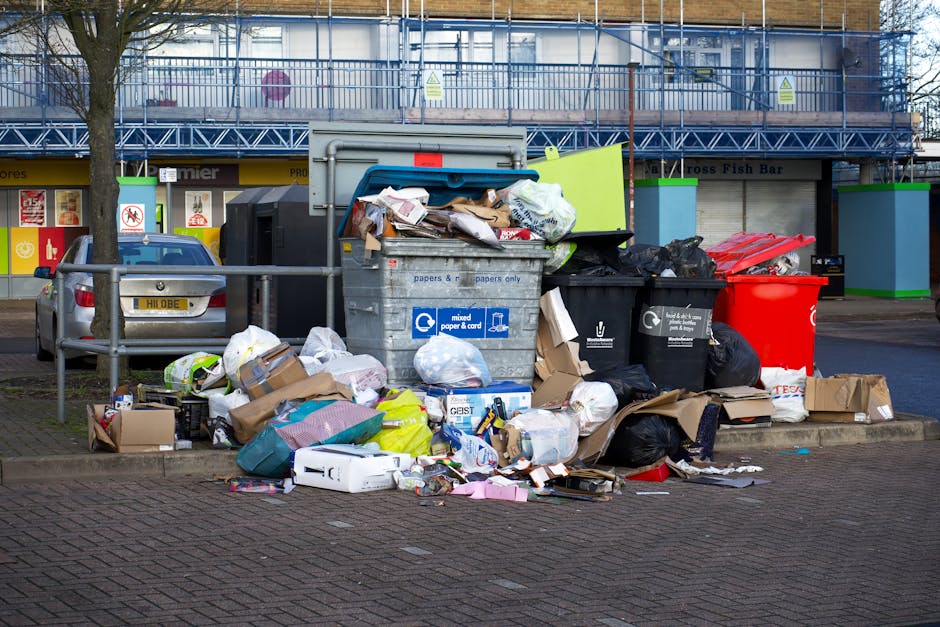
Post-cleaning waste is easy to underestimate. You wipe down a room, and suddenly there is a pile of cloths, dust, cardboard, old bottles, broken bits of furniture, and maybe one or two mystery items that should have been gone months ago. If that waste is not handled properly, you can end up with missed collections, mess on the street, complaints from neighbours, or even avoidable costs.
In Hackney, as in most London boroughs, waste disposal is not just about getting rid of things. It is about presenting waste in the right way, at the right time, and in the right container or collection stream. That matters for three big reasons.
- It keeps streets cleaner. Bags left out too early or sorted badly can tear, attract pests, and create litter fast.
- It protects recycling. Clean recyclables are far more likely to be processed properly than mixed, contaminated waste.
- It reduces avoidable penalties or enforcement issues. Councils tend to take repeat misuse seriously, especially where waste blocks pavements or causes nuisance.
There is also a practical side. A well-run clean-up is quicker, calmer, and cheaper in the long run. If you have ever tried to move out on a Friday evening with half a room still packed with old junk, you will know the feeling. It gets noisy. Bags slip. Someone says, "We'll deal with it later." Later usually means trouble.
For homes with regular upkeep, it can help to combine waste planning with regular cleaning or one-off cleaning, so waste never builds up into a bigger job than it needs to be.
How Hackney Council rules for waste disposal after cleaning Works
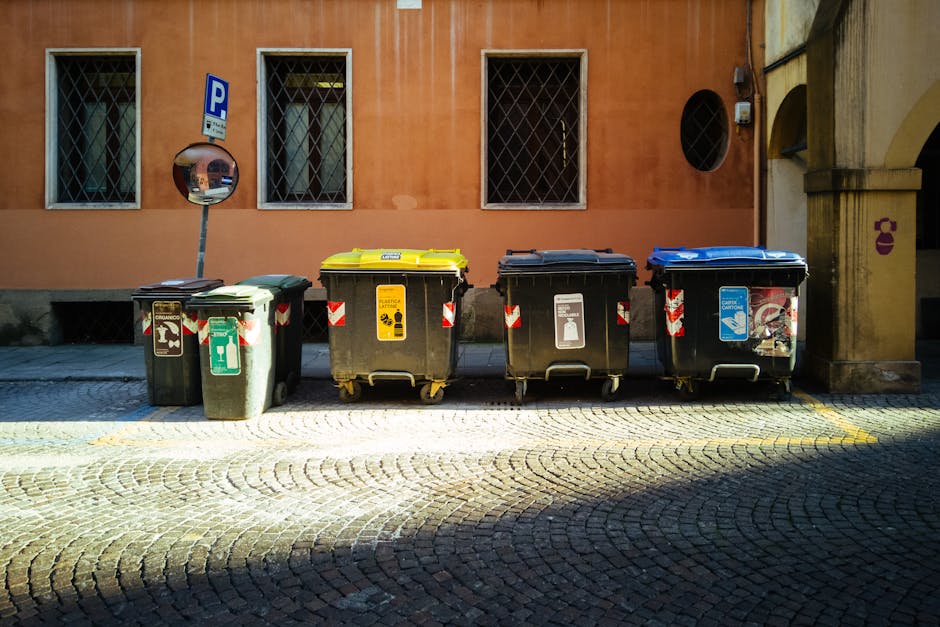
The basic idea is straightforward: after a clean, you sort the waste by type and follow the local collection method that applies to each category. That usually means separate handling for general waste, recycling, bulky items, garden-type waste if relevant, and anything that could be considered hazardous or special waste.
In real life, this is where most people need a little structure. A cleaning job might produce:
- general rubbish like dust, wipes, paper towels, food scraps, and contaminated packaging
- dry recycling such as cardboard, bottles, cans, and clean plastic containers
- bulky waste like a damaged chair, old curtain pole, broken appliance, or worn mattress
- leftover cleaning products that should not be poured away casually
- sharp items, broken glass, or contaminated cloths that need careful wrapping
Hackney Council rules for waste disposal after cleaning are less about clever loopholes and more about discipline. Put the right thing in the right place. Do not overfill bags. Do not leave loose waste beside bins. Do not mix food waste into recycling and then wonder why the whole lot is rejected. You can almost hear the bin lid closing on the problem, if you like.
For a cleaning team, this also means working with the site conditions. A flat with no lift, a shared stairwell, or a narrow street can change how waste is staged. In an office or shop, timing matters too. A commercial clean often needs quiet collection windows, secure bagging, and clear responsibility for who moves what. If that sounds familiar, commercial cleaning and office cleaning are worth considering because they tend to be planned around more complex waste handling.
Key Benefits and Practical Advantages
Following the correct disposal process after cleaning is not just about compliance. It genuinely makes the rest of the job easier.
Cleaner exits and less clutter
When waste is sorted immediately, the cleaned room stays clean. That sounds obvious, but after a long day with sheets, buckets, cloths, and dust, people are tempted to stack everything by the door. That is usually where the mess comes back in.
Better recycling outcomes
Hackney, like many boroughs, benefits when residents and businesses keep recyclables uncontaminated. Clean cardboard from an unpacking job is very different from greasy takeaway boxes or paper soaked in cleaning fluid. Small distinction, big difference.
Lower risk of pests and odours
Waste left to sit after a clean can start smelling quickly, especially if it contains food residue, pet mess, or damp material. That is when flies appear, bins become unpleasant, and the fresh-clean feeling disappears. Nobody wants that.
Less back-and-forth with neighbours or building managers
In shared buildings, people notice waste left in hallways, beside communal bins, or on the wrong day. Good disposal habits keep relationships smooth, which is worth a lot in flats and managed blocks. If you are dealing with shared entrances or stairwells, communal area cleaning often goes hand in hand with proper waste removal.
More predictable costs
When waste is sorted correctly, you are less likely to need a second trip, a rush collection, or an emergency bulky-waste solution. That is one of those hidden savings people forget about until the end of the week.
Who This Is For and When It Makes Sense
This topic matters to far more people than just professional cleaners. In practice, Hackney Council rules for waste disposal after cleaning are relevant to anyone creating waste as part of a clean-up.
- Homeowners and tenants who are clearing rooms, moving out, or refreshing a property
- Landlords and letting agents who need a property ready between tenancies
- Businesses that have office waste, packaging, or old fixtures after a clean
- Airbnb and short-let hosts handling fast turnaround waste after guest departures
- Builders and refurb teams who need cleanup after dust, packaging, and leftover materials
- Carefully managed shared buildings where waste must not disrupt residents or staff
It makes sense any time the clean produces more than ordinary household rubbish. A light weekly tidy is one thing. A post-renovation clean, a move-out, or a long-overdue declutter is another. For heavier jobs, it is often smarter to pair cleaning with move out cleaning, move in cleaning, or after builders cleaning so the waste and the clean are coordinated rather than treated as separate headaches.
And yes, sometimes the answer is simply: there is too much stuff for normal bins. That is fine. It happens all the time.
Step-by-Step Guidance
Here is a practical way to handle waste after cleaning without losing your mind halfway through.
- Pause before you bag everything. Separate usable items, recyclables, general waste, and anything hazardous or sharp.
- Check what can be reused or donated. Clean storage boxes, sturdy hangers, unopened products, and intact household items may not need disposal at all.
- Keep recycling dry and clean. Cardboard, tins, bottles, and accepted plastics should stay free from food, oils, and strong cleaning residues.
- Wrap risky items safely. Broken glass, blades, and cracked ceramics should be wrapped or boxed so nobody gets hurt.
- Bag general waste securely. Use proper liners, tie bags firmly, and avoid overfilling. If a bag looks like it might split when lifted, it probably will.
- Separate leftover cleaning chemicals. Do not pour random product leftovers into drains unless the label says it is safe and appropriate. Keep them upright and contained.
- Place waste out according to local collection rules. Timing matters. So does presentation. Bags left too early can become a nuisance.
- Arrange bulky or specialist removal if needed. For mattresses, furniture, broken appliances, or construction debris, use the proper route rather than forcing it into household bins.
If you are cleaning a home room by room, it helps to create two simple zones: one for keep/reuse, one for waste. That tiny habit can save half an hour easily. Maybe more, if the cupboard is one of those corners where everything disappears and reappears three weeks later.
For items that are embedded in fabrics or surfaces, specialist treatment may reduce the amount you need to throw away. For instance, a stained rug or upholstery piece might still be salvageable with rug cleaning, upholstery cleaning, or sofa cleaning instead of immediate disposal.
Expert Tips for Better Results
The best waste disposal after cleaning is usually the boring one. Boring means organised. Organised means smooth. Smooth means fewer surprises on collection day.
- Use clear bag labels internally if a job is large. For bigger properties or commercial sites, separate bags by stream so staff know what is what.
- Keep a "hold" pile for 24 hours. Sometimes an item that looks like rubbish is actually useful once the dust has settled.
- Plan around collection day, not after it. If you finish a big clean on the day after collection, you may be staring at waste for days. Not ideal.
- Protect communal spaces. Wipe bag exteriors if they are dusty or dirty. A clean hallway should stay clean.
- Use the right service for the waste volume. If you have more than a standard household amount, think ahead. It is rarely worth cramming everything into ordinary bins and hoping.
- For damp or odorous waste, act quickly. Wet cloths, food waste, pet-related debris, and contaminated items should not linger.
One small but useful habit: keep a roll of ties, a sturdy box for glass, and a separate container for leftover cleaning chemicals. That tiny kit saves a lot of wobbling around the kitchen at 9 p.m., which, let's face it, is nobody's favourite hobby.
If your cleaning routine includes scent-heavy products or pet-related mess, a little extra planning goes a long way. Pet stain and odour removal is a good example of the kind of job where waste control and smell control are tied together.
Common Mistakes to Avoid
A lot of waste problems are self-inflicted. The good news is that they are easy to avoid once you know what to look for.
- Mixing all waste together. This is the classic mistake. It contaminates recycling and makes everything heavier, dirtier, and harder to handle.
- Leaving bags open or half-tied. Wind, rain, and seagull-style opportunists are not your friends here, even in the city.
- Overfilling bins or sacks. If the bag cannot close properly, it is probably too full.
- Forgetting about sharp or broken items. These need special wrapping. A quick hand injury ruins the whole day.
- Dumping bulky items beside communal bins. That can create immediate issues for neighbours and building staff.
- Pouring away unknown liquids. Some leftover cleaning products should be handled carefully rather than tipped down the sink in a panic.
- Assuming one collection method fits everything. It doesn't. A mattress, a sofa, a bag of dust, and a box of glass all play by different rules.
Another common one: people clean first and then discover they have nowhere sensible to put the waste. That is why planning before the mop comes out is so useful. Slightly dull. Very effective.
Tools, Resources and Recommendations
You do not need a warehouse full of gear to handle post-cleaning waste well. A few basic items are enough in most cases.
| Tool or item | Why it helps | Best use |
|---|---|---|
| Heavy-duty bin bags | Less likely to split during lifting | General waste and dirty cleaning debris |
| Clear recycling sacks or boxes | Makes sorting easier at a glance | Cardboard, cans, bottles, dry recyclables |
| Sturdy cardboard box | Safer for broken glass and sharp edges | Glass, ceramics, small sharp debris |
| Label tape or marker | Helps separate streams in larger jobs | Commercial or multi-room cleans |
| Disposable gloves | Reduces contact with dirt and chemicals | All waste handling, especially damp or contaminated items |
| Closed plastic tub | Contains leftover liquids safely | Cleaning products and trigger sprays |
For bigger jobs, it is also worth thinking about the type of clean itself. A standard domestic refresh is not the same as a builders' cleanup or a large move-out. Services such as domestic cleaning, house cleaning, and one-off cleaning can be matched more closely to the amount of waste likely to be produced.
If the property has carpets, curtains, or furniture that could be saved instead of thrown away, a targeted clean is often the smarter first step. That can mean carpet cleaning, curtain cleaning, mattress cleaning, or window cleaning to reduce unnecessary disposal.
Law, Compliance, Standards, or Best Practice
Without turning this into a legal essay, the key principle is that waste should be managed responsibly, safely, and in line with local collection requirements. In the UK, people are generally expected to sort waste correctly, avoid creating nuisance, and make sure commercial or larger-scale waste is handled by proper routes rather than dumped informally.
For Hackney, that practical mindset matters more than trying to memorise every rule. If you are unsure whether something belongs in general waste, recycling, or a specialist stream, the safest approach is to treat it cautiously and keep it separate until you can confirm the right route. That is especially true for:
- chemicals and residues
- broken glass or blades
- bulky furniture and mattresses
- electrical items
- contaminated textiles or pet-related waste
For businesses and landlords, best practice usually means keeping waste handling documented, using trustworthy contractors, and making sure staff understand the difference between routine rubbish and specialist disposal. It is not glamorous, but it is the difference between a tidy handover and a messy one. If you run a workplace, a properly planned commercial cleaning schedule can support compliance by reducing how much waste builds up between visits.
If safety is a concern, especially with heavy items, chemicals, or awkward stairwells, it is sensible to rely on appropriate controls and insured working practices. That is where a provider's health and safety policy and insurance and safety information become more than paperwork. They show that the job is being handled with care.
Options, Methods, or Comparison Table
There is rarely just one way to deal with post-cleaning waste. The best method depends on volume, type, and timing. Here is a simple comparison to help you choose.
| Method | Best for | Pros | Watch out for |
|---|---|---|---|
| Normal household bins | Small amounts of general waste | Quick, simple, low effort | Not suitable for bulky items or overloaded bags |
| Recycling separation | Clean dry materials | Supports better recycling and less landfill | Contamination can cause rejection |
| Bulky item removal | Furniture, mattresses, large objects | Gets awkward items out safely | Needs planning and may require separate collection |
| Specialist waste handling | Chemicals, sharp waste, contaminated items | Safer and more responsible | Must be handled carefully and stored properly |
| Integrated cleaning and clearance | Big clear-outs and move-outs | One plan for both cleaning and waste | Requires better scheduling and coordination |
For many people, the most effective route is to combine a careful clean with a removal plan. If the job is large enough, move out cleaning and house clearance can save a lot of double handling. That is especially useful where time is tight, like the last week of a tenancy or the final day before keys are handed over.
Case Study or Real-World Example
Picture a small Hackney flat at the end of a tenancy. The tenant has spent the morning cleaning the kitchen, bathroom, and living room. There is a pile of old storage boxes, a broken chair, several bags of mixed waste, a few cleaning bottles, and some packaging from replacement household items. The flat looks much better than it did at 8 a.m., but the waste is still standing there like the final boss.
What usually works best in that situation is not to rush. First, separate the cardboard from the general waste. Next, keep the cleaning bottles together and upright. Then wrap the broken chair parts carefully so no sharp edges stick out. Finally, check whether the bulky item needs a separate collection route instead of being left with the bins. It sounds basic, because it is. But basic done well is what keeps the move-out calm.
In a similar office scenario, the waste may be less visible but just as messy in practice: printer boxes, old folders, wipes, food packaging from a deep-cleaned break room, and a couple of damaged desk accessories. That is where office cleaning and waste separation go together. If you leave all of that for later, the "later" part gets expensive quickly.
The pattern is the same almost every time: the cleaner the sort, the easier the disposal. Nothing fancy. Just less chaos.
Practical Checklist
Use this before you put anything outside or into shared bins.
- Have I separated reusable items from true waste?
- Are recyclables clean and dry enough to be accepted?
- Have I wrapped broken glass or sharp materials safely?
- Are any cleaning chemicals still in their original containers?
- Have I avoided overfilling bags or bins?
- Do I know whether bulky items need a special collection route?
- Is waste being set out at the correct time for collection?
- Have I kept communal areas clear and tidy?
- Are there any odorous or damp materials that need quick removal?
- Have I checked whether the waste is household, commercial, or specialist in nature?
If you can tick all of those off, you are in good shape. If not, pause and sort the problem items first. A few extra minutes now can save a whole afternoon of repairs, complaints, or repeated trips downstairs.
Conclusion
Hackney Council rules for waste disposal after cleaning are really about doing the practical things properly: sort waste, keep recyclables clean, handle bulky and risky items safely, and avoid leaving anything that could cause nuisance or mess. Once you see it that way, the process becomes a lot less intimidating.
For homes, landlords, hosts, and businesses, the real win is not just compliance. It is peace of mind. A clean space should feel finished, not half-finished with bags by the door and a faint smell of detergent in the hallway. Get the disposal side right, and the whole job feels more complete.
If your clean-up is bigger than expected, or you want support with a coordinated clean and removal plan, choosing the right service can make the difference between a stressful day and a surprisingly smooth one.
Get a free quote today and see how much you can save.
Frequently Asked Questions
What counts as waste after cleaning in Hackney?
It usually includes general rubbish, dirty cloths, packaging, dust bags, empty containers, broken items, and any recyclable materials left over after the clean. If the clean uncovered bulky or hazardous items, those need separate attention.
Can I put cleaning waste in the normal bin?
Small amounts of general waste often can, but only if it is bagged properly and fits within the normal collection setup. Recyclables, bulky items, and chemicals should not be mixed in blindly. That is where problems start.
Do I need to separate recycling after a clean?
Yes, if the materials are suitable for recycling and clean enough to be accepted. Dry cardboard, cans, bottles, and similar items should be kept separate from contaminated waste wherever possible.
What should I do with leftover cleaning products?
Keep them in their original containers, if possible, and store them upright and securely. Do not mix products together. If you are unsure how a specific chemical should be handled, keep it separate and treat it cautiously.
How do I dispose of bulky items after a deep clean?
Bulky items such as furniture, mattresses, or large broken household goods usually need a separate removal method. They should not be left beside regular bins as an afterthought.
Are there different rules for domestic and commercial cleaning waste?
Yes, in practice there often are. Domestic waste is usually simpler, while commercial waste may need more structured handling, especially if the job involves larger volumes, mixed materials, or business duty-of-care expectations.
Can I leave waste out the night before collection?
Sometimes people do, but it depends on local collection timing and what is being put out. Leaving waste too early can create nuisance, attract pests, or lead to complaints in shared streets or buildings.
What happens if I mix rubbish and recycling?
Contamination can cause recycling to be rejected, which means the material may end up treated as general waste instead. It is one of the easiest mistakes to make and one of the easiest to avoid.
Is after builders waste handled differently?
Usually yes. Builders' waste often includes dust, rubble, plaster, packaging, and awkward materials that are not suitable for ordinary household disposal. A dedicated after-builders clean is often the better route.
How can cleaning services help with waste disposal?
A good cleaning service can help sort waste, reduce what needs disposing of, and spot items that should be treated separately. For larger jobs, pairing cleaning with clearance or specialist services keeps everything much more manageable.
What is the safest way to handle broken glass after cleaning?
Wrap it carefully, place it in a sturdy container or box, and clearly separate it from general waste so nobody gets cut. Loose broken glass is a nasty little problem that is best dealt with immediately.
Where do I start if I have too much waste after cleaning?
Start by separating what can be reused, recycled, or removed as bulky waste. Once the pile is divided properly, the rest becomes a lot easier. If the amount is still overwhelming, consider a clearance service rather than forcing it into normal bins.